1. Dynamic Pricing
One of the biggest reasons online offers change so often is dynamic pricing.
From my own experience, I notice how prices change over time, and you may have noticed the same thing when shopping online. Dynamic pricing means adjusting the amount shown for a product based on current market conditions. Instead of keeping one fixed number, retailers use algorithms to update their listings in response to demand, competition, and other signals.
This helps businesses stay competitive while maximizing sales.
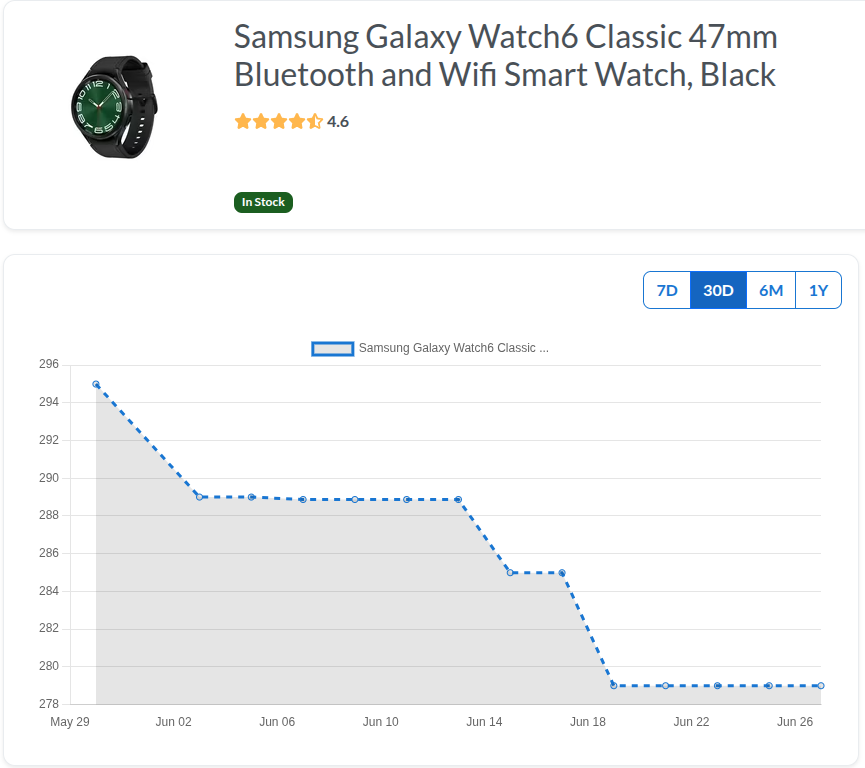
Here is an example of the product "Samsung Galaxy Watch6 Classic 47mm Bluetooth and Wi-Fi Smart Watch, Black". The chart below shows how its listing moved over the last 30 days, including a drop from $294.99 to $279.
2. Supply and Demand
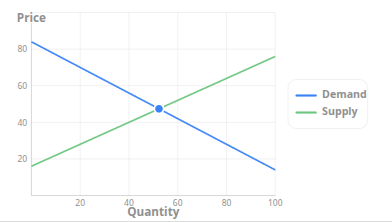
Supply and demand are among the oldest economic principles.
When demand rises and supply remains limited, the amount usually goes up.
For example:
- A newly released gaming console may sell out quickly.
- A popular kitchen appliance may go viral.
- Holiday shopping can create a surge in demand for gifts.
On the other hand, when demand slows down or inventory builds up, retailers often lower the amount to encourage sales.
3. Competitor Pricing
Online retailers constantly watch what their competitors are doing.
If Store A lowers the amount for a laptop, Store B may respond by adjusting its own offer. This competition benefits shoppers, but it also means listings can shift frequently.
Some retailers update their offers several times a day just to stay competitive.
To avoid checking multiple stores one by one, you can use the search feature to quickly find products and filter them by amount, helping you spot the best deal among competitors.
4. Inventory Levels
Inventory plays a major role in how products are valued.
If a retailer has:
- Too much stock, the amount may drop to help clear inventory.
- Limited stock, the amount may rise because the item becomes harder to find.
This is especially common with seasonal products and consumer electronics.
5. Seasonal Sales and Promotions
Many changes are tied to annual shopping events.
Examples include:
- Black Friday
- Cyber Monday
- Back-to-school sales
- Holiday promotions
- End-of-season clearance events
Retailers often lower their offers before these events and then return them to normal afterward.
Planning purchases around these periods can lead to significant savings.
To learn how to identify the best buying windows throughout the year using historical pricing data, read our guide on Best Time to Buy Products Online Using Price History
6. Manufacturer Cost Changes
Sometimes the retailer is not the one driving the increase.
Manufacturers may raise or lower wholesale rates because of:
- Increased production costs
- Material shortages
- Transportation expenses
- Currency exchange rates
Retailers usually pass those changes along to customers.
For example, statistics from the European Union show that producer costs can fluctuate significantly, often reflecting shifts in raw material expenses, energy rates, and broader supply chain pressures.
7. Customer Buying Behavior
Retailers study shopping behavior to improve their offers.
For example, they monitor:
- Which products receive the most views
- Which items are purchased most often
- Which products remain unsold
These insights help them decide when to raise or lower an amount.
8. Limited-Time Deals
Another common cause of sudden changes is flash sales or time-limited discounts.
Retailers often run promotions that last only a few hours or just one day.
I once watched a pair of headphones I had been considering drop by nearly 30% during a weekend sale, only to return to its original amount the next morning. That experience made it clear how quickly online offers can shift and how easy it is to miss a good deal if you're not paying attention.
Once the promotion ends, the listing usually goes back to its regular level.
That is why shoppers may notice sharp fluctuations over a short period.
You can see these shifts more clearly by tracking several products and reviewing the results over time.
Can You Predict Price Changes?
Unfortunately, no one can predict every shift.
Retailers use complex systems that consider hundreds of factors before updating a listing.
However, you can make smarter buying decisions by reviewing a product's history instead of purchasing immediately.
Looking at past trends helps answer questions such as:
- Is today's amount actually a good deal?
- Has the product been cheaper recently?
- Should I wait for another drop?
How to Save Money Despite Daily Price Changes
Although you can't control how retailers set their offers, you can shop more strategically. For more practical tips, read our blog post on how to save money with price tracking bubeph .
Here are a few tips:
- Compare offers before buying.
- Avoid impulse purchases.
- Watch for seasonal sales.
- Review a product's history.
- Set alerts for items you're interested in.
These simple habits can help you avoid overpaying.
FAQ
Why do prices change every day online?
Online amounts change every day because retailers use dynamic pricing, monitor competitors, respond to supply and demand, and adjust listings based on inventory levels and promotions.
Is it better to buy now or wait for a lower price?
It depends on the product and its history. If the item is frequently discounted, waiting may help you save money. If the current amount is already near its lowest point, buying now may be the better choice.
Why do some products change price more often than others?
Products in competitive categories, such as electronics, fashion, and home goods, usually change more often because retailers actively adjust them to match market conditions.
Can price tracking really help me save money?
Yes. Tracking trends helps you see historical patterns, identify the best time to buy, and avoid paying more than necessary when amounts fluctuate.
Do seasonal sales always offer the best deals?
Not always. Some seasonal sales are excellent opportunities, but not every discount is the lowest available. Checking history can help you confirm whether a sale is truly a good deal.
Use Bubeph to Track Price Changes
Since online offers can change every day, manually checking products isn't always practical.
That's where Bubeph can help.
You can:
- Track product trends over time.
- View historical movement.
- Receive alerts when amounts drop.
- Monitor products before making a purchase.
Instead of wondering whether today's offer is a good deal, you'll have the information you need to shop with confidence.
Final Thoughts
While it's impossible to predict every fluctuation, understanding why these shifts happen helps you make smarter purchasing decisions. Combining that knowledge with a tracking tool like Bubeph can help you avoid paying more than necessary and buy at the right time.
The next time you notice a change, remember: it's rarely random—there's usually a reason behind it.